Discover seven innovations at the Wind Energy Technology Summit and what they mean for your business
The offshore wind sector is not slowing down; it is maturing. Larger turbines, more complex supply chains, and the need for smarter operations are prompting companies to rethink how they design, build, and operate wind energy installations. These developments offer Belgian companies opportunities in manufacturing, engineering, and technology. Curious about what comes next? Join us on 27 October at the Wind Energy Technology Summit in Ghent. Experts at the heart of this transformation will share their experiences and show what they are working on. Here is a preview of what you can expect.
Want to discover what opportunities
wind energy technology offers your business?
Join the Wind Energy Technology Summit 2026 and meet experts developing tomorrow's offshore solutions. Discover emerging technologies, exchange ideas, and explore opportunities for collaboration.
Precision manufacturing for larger wind turbines
ARGON: measuring the next generation of turbine blades
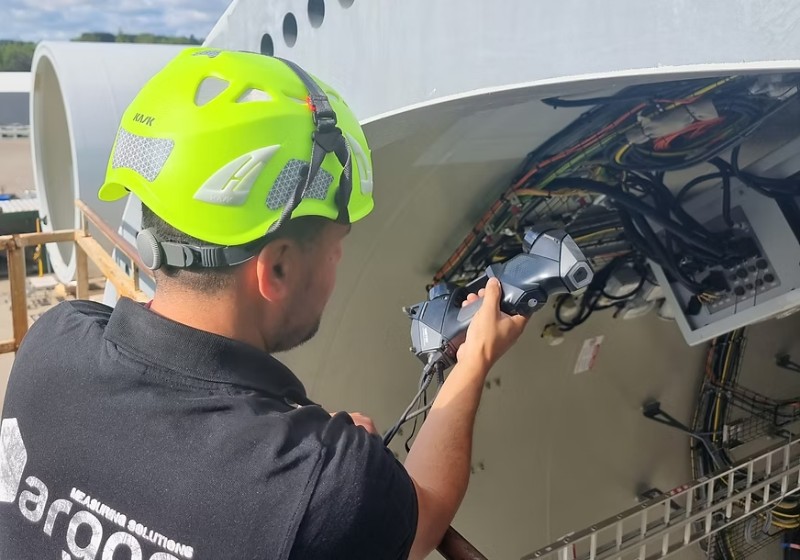
As turbine blades grow beyond 100 metres, traditional quality control methods are no longer sufficient. ARGON Engineering has developed BLADEscan and FLANGEscan: automated 3D metrology systems specifically designed for large wind turbine components. Their work addresses a structural bottleneck in the industrialisation of offshore wind energy. After all, scaling up is impossible without reliable measurements. At the Summit, ARGON will explain how automated inspection is becoming a prerequisite for manufacturing the next generation of wind turbines.
Offshore energy storage: making wind power more flexible
FLASC: storing wind energy where it is produced
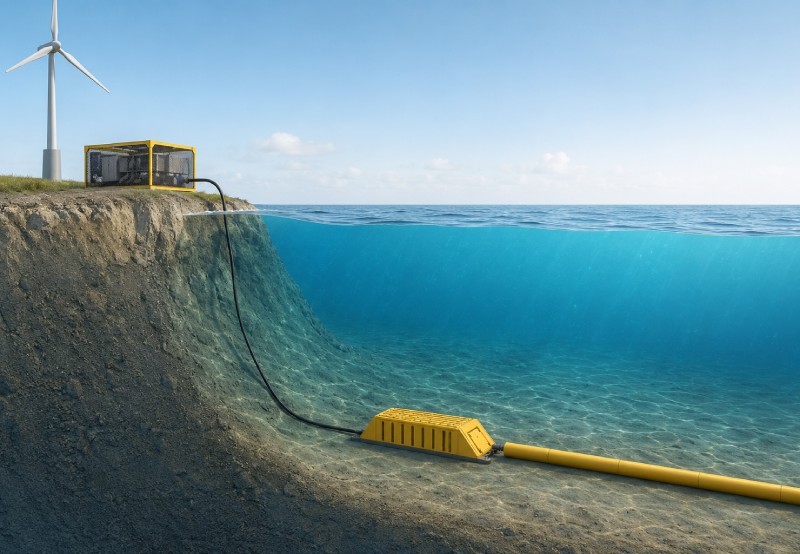
What do you do with excess wind energy when the grid cannot absorb it? FLASC has developed a hydropneumatic energy storage solution designed for installation alongside offshore wind infrastructure. Following a major pilot project milestone in June 2026 and the formal recognition of combined wind energy and storage projects by the Netherlands, FLASC is entering a new phase. At the Summit, you will discover how decentralised energy storage is changing the economics and logistics of offshore energy.
Autonomous maritime technology for offshore wind
GEOxyz: smarter surveys with autonomous vessels
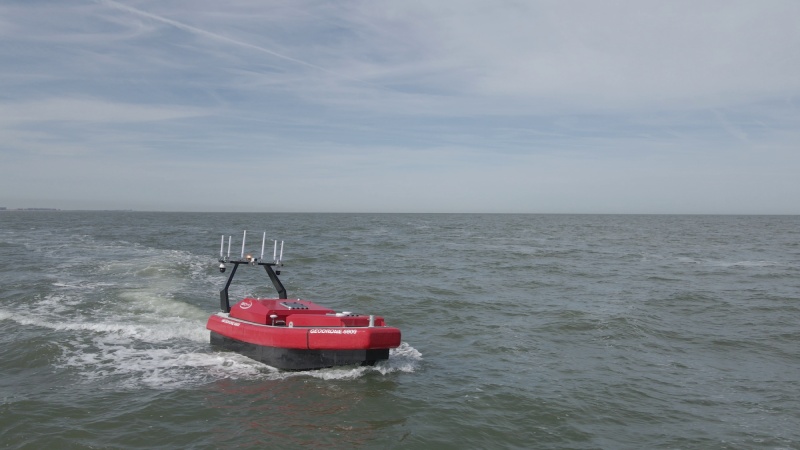
Offshore wind farms depend on accurate information about the seabed and marine environment. Collecting this information traditionally requires specialised vessels and crews, but autonomous technology is opening up new possibilities. Earlier this year, GEOxyz acquired Ghent-based dotOcean, expanding its expertise in unmanned surface vessels (USVs). With a new 13-metre unmanned vessel and a growing international presence, including in South Korea, GEOxyz is positioning itself at the intersection of hydrographic surveying, offshore monitoring, and maritime autonomy. At the Summit, GEOxyz will explain how unmanned operations are transforming offshore data collection.
Predictive maintenance: detecting damage early
Ghent University: detecting bearing problems sooner
Unexpected drivetrain failures are among the costliest problems affecting offshore wind turbines. Researchers at Ghent University are developing acoustic emission sensing technology to detect early signs of bearing degradation. The technology can also be used under insufficient oil lubrication, when damage develops more quickly and conventional vibration monitoring may not provide sufficient warning. At the Summit, the researchers will explain how acoustic monitoring can support more effective maintenance decisions.
Floating offshore wind: from innovation to industry
I3FLOAT: creating opportunities across the value chain
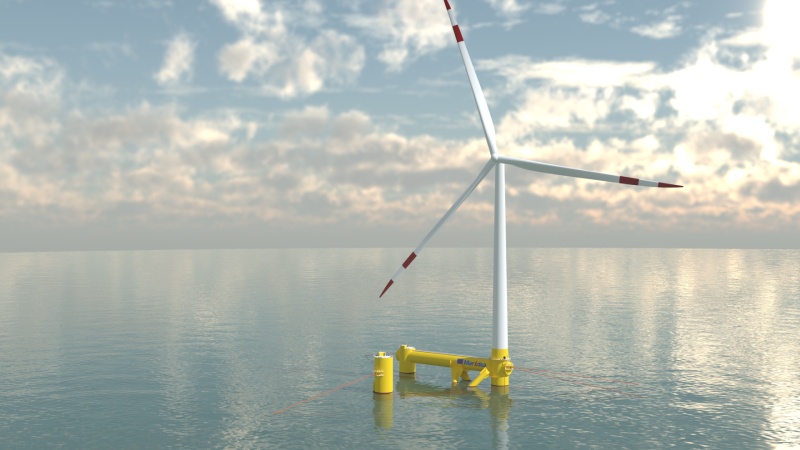
Floating offshore wind turbines offer opportunities in deeper waters, where fixed foundations become less practical. However, turning promising technologies into industrial solutions requires collaboration, investment, and new capabilities. I3FLOAT is working to accelerate innovation across the European floating wind value chain. Its Strategic Innovation Agenda, published in September 2026, identifies 105 priorities for technological development across the entire value chain. The initiative has also launched an open call for SMEs, with a budget of €2.52 million and a deadline in November. At the Summit, I3FLOAT will offer a realistic view of the current state of the industrialisation roadmap and the opportunities available to Belgian and Flemish companies.
Offshore wind at scale: lessons from RWE
RWE: connecting wind farms, storage, and circular technology
Developing a wind farm is one challenge, but managing multiple large-scale projects introduces a whole new level of complexity. RWE is active across several areas of offshore energy development. In September 2026, RWE installed the first monopile foundation for OranjeWind. The company also recently took the final investment decision for a 400 MW / 1,100 MWh battery storage project. In addition, RWE is deploying recyclable turbine blade technology at the Thor wind farm in Denmark. As one of the largest operators in the North Sea, RWE offers insight into what it takes to manage wind energy at portfolio level and what this means for suppliers and technology partners.
Installing offshore wind turbines: rethinking foundations
Multi.Engineering: a fresh approach with Moray Base 2.0
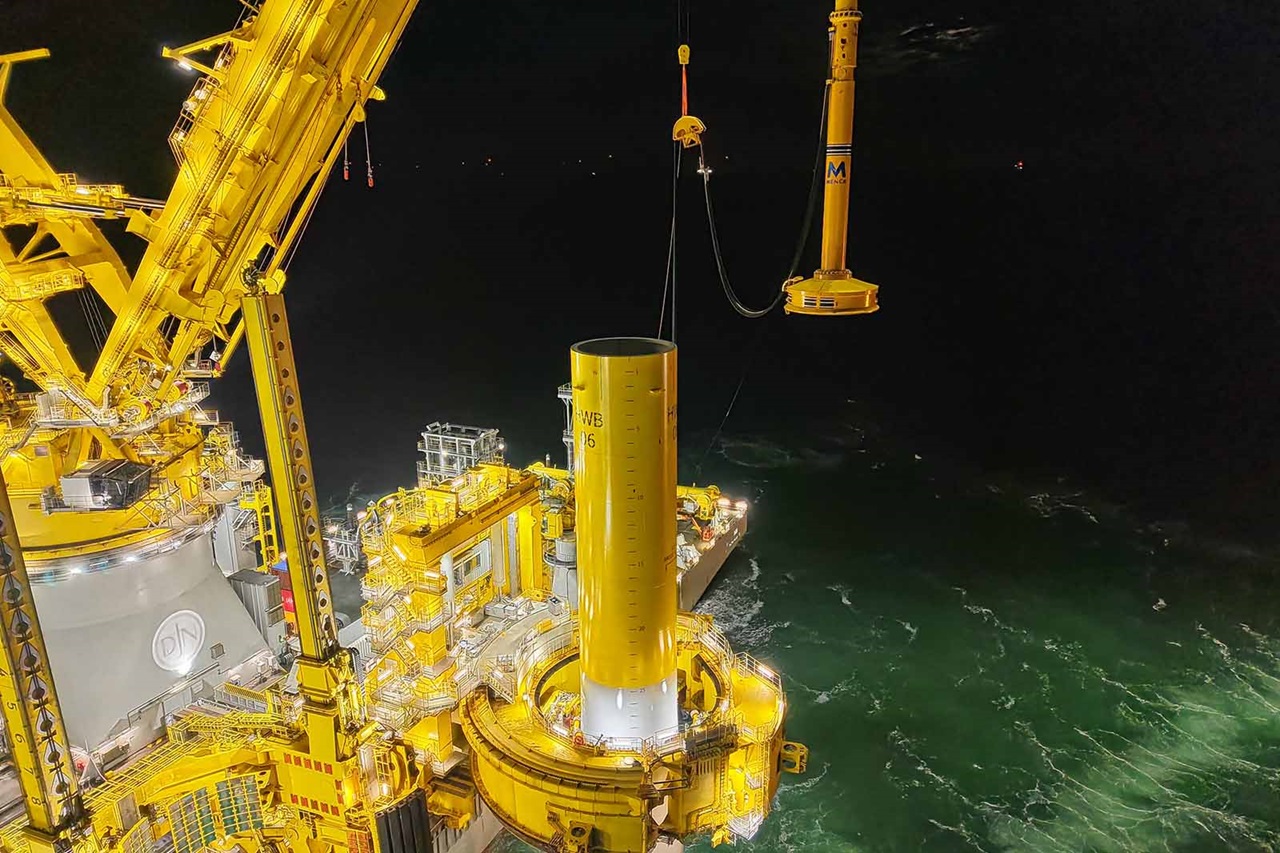
Installing offshore wind turbine foundations is technically demanding and expensive. Vessel availability, installation methods, and complex logistics all affect project costs. Multi.Engineering is exploring a different approach through its Moray Base 2.0 concept. In early 2026, Multi.Engineering received Approval in Principle from DNV for its Moray Base 2.0 concept. The approach is designed to reduce installation complexity and lower the cost of offshore wind turbine foundations. In doing so, the company is challenging assumptions that have been standard in the industry for years. At the Summit, Multi.Engineering will show what rethinking the installation vessel and foundation interface means in practice.
Why attend the Wind Energy Technology Summit, even if you are not active in offshore wind?
Opportunities in offshore wind extend beyond the energy sector. Technologies such as precision manufacturing, autonomous systems, integrated energy storage, advanced sensing technology, and novel structural concepts are not sector-specific. Flemish companies active in manufacturing, engineering services, and technology development can contribute to these capabilities or apply them within their own operations.
A focused event for forward-looking companies
The Wind Energy Technology Summit is not a trade fair. It is a focused, technically grounded day where practitioners share what works and what does not. Is your company considering where offshore wind might fit within its portfolio? Or are you already active in the sector and keen to understand where the industry is heading? Then Ghent is the place to be on 27 October.
In summary: seven innovations worth watching
Wind energy innovation goes far beyond larger turbines. Automated inspection, offshore energy storage, unmanned vessels, and predictive maintenance are creating new industrial opportunities. Discover how seven organisations are advancing these technologies and what their work could mean for Belgian companies in manufacturing, engineering, and technology.
Conclusion: new technology, new opportunities
Offshore wind is evolving into a more integrated, technology-driven industry. This offers opportunities for companies with expertise in manufacturing, engineering, digital systems, and energy technology. The Wind Energy Technology Summit brings these developments together, helping you discover practical applications and identify potential partners for future innovation. Join us in Ghent on 27 October
Want to discover what opportunities
wind energy technology offers your business?
Join the Wind Energy Technology Summit 2026 and meet experts developing tomorrow's offshore solutions. Discover emerging technologies, exchange ideas, and explore opportunities for collaboration.